Begin With The Process And Its Boundaries
Medical device manufacturing automation begins with a defined process. Describe the incoming components, required operations and the condition of the finished output. Include product variants and handling constraints, particularly where parts are delicate or difficult to present consistently.
The intended manufacturing environment and customer requirements help shape the equipment brief. Any environmental or cleanliness classification must be specified and assessed for the particular application.
Manage Product Presentation And Handling
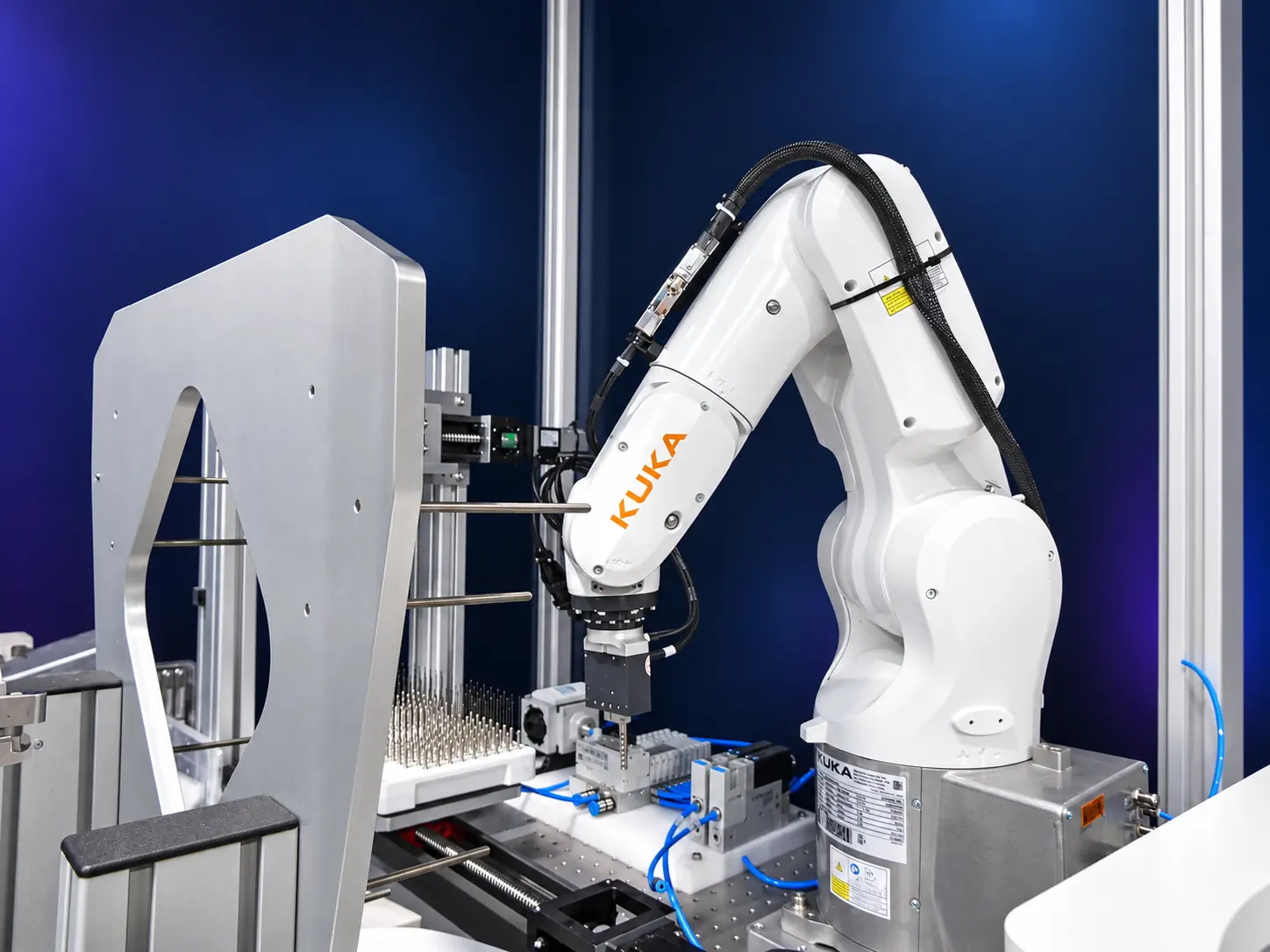
An assembly process can only be consistent if the product arrives in a suitable condition and position. Discuss how components are loaded, located, gripped and transferred. Sample variation, orientation and the potential for product damage deserve attention during feasibility work.
The handling method should also consider recovery. Establish what happens to a part after a stopped cycle and how an operator knows whether it can continue.
Define Inspection And Traceability Needs
Specify what must be inspected, the acceptance criteria and how results will be used. A vision system, sensor or test station needs representative samples and a controlled method of evaluation. Include examples of acceptable and unacceptable conditions where available.
Where traceability is required, agree identifiers, stored information, retention expectations and interfaces with customer systems. The scope depends on the process and the customer requirements.
Agree The Documentation Package
Equipment drawings, schematics, operating information and test documentation may support the project. CPS agrees the document package with the customer rather than applying one standard bundle to every machine.
Qualification protocols, traceability records and other specialist documents should be discussed early. Equipment documentation supports the customer process but does not by itself establish a medical device regulatory approval.
Review Equipment Around The Application
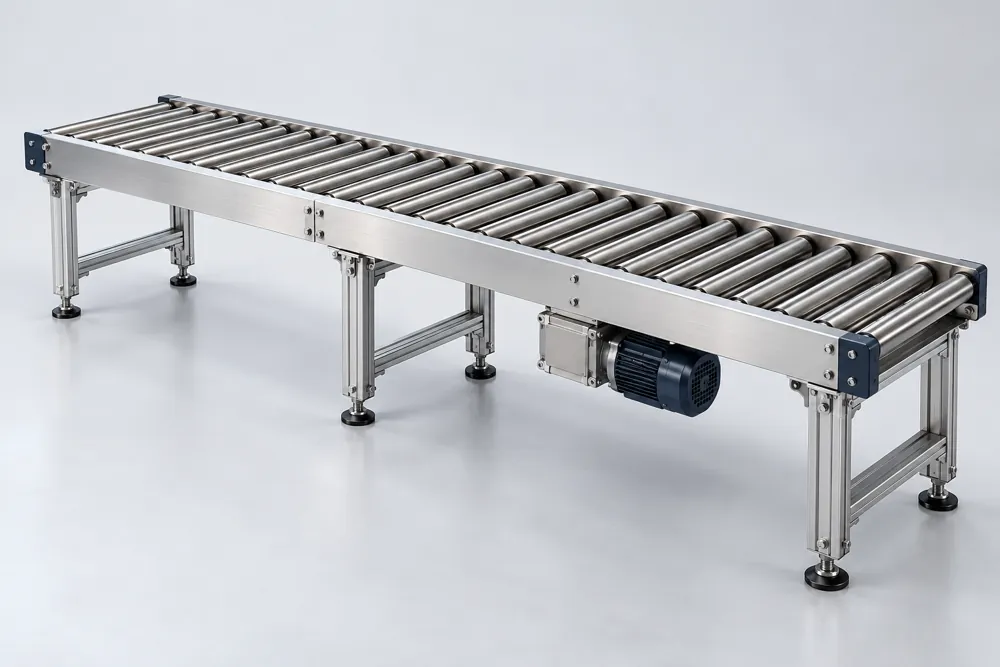
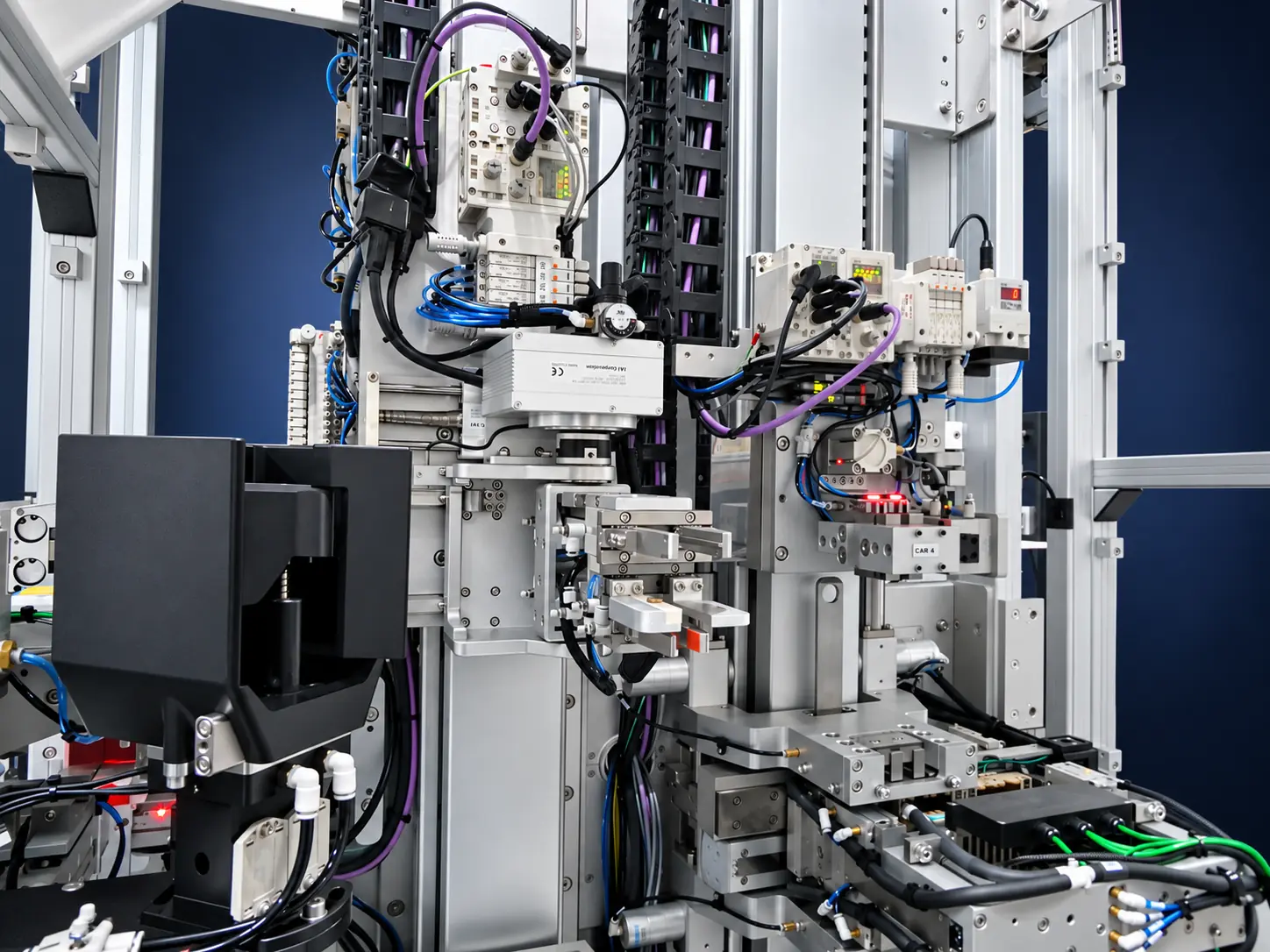
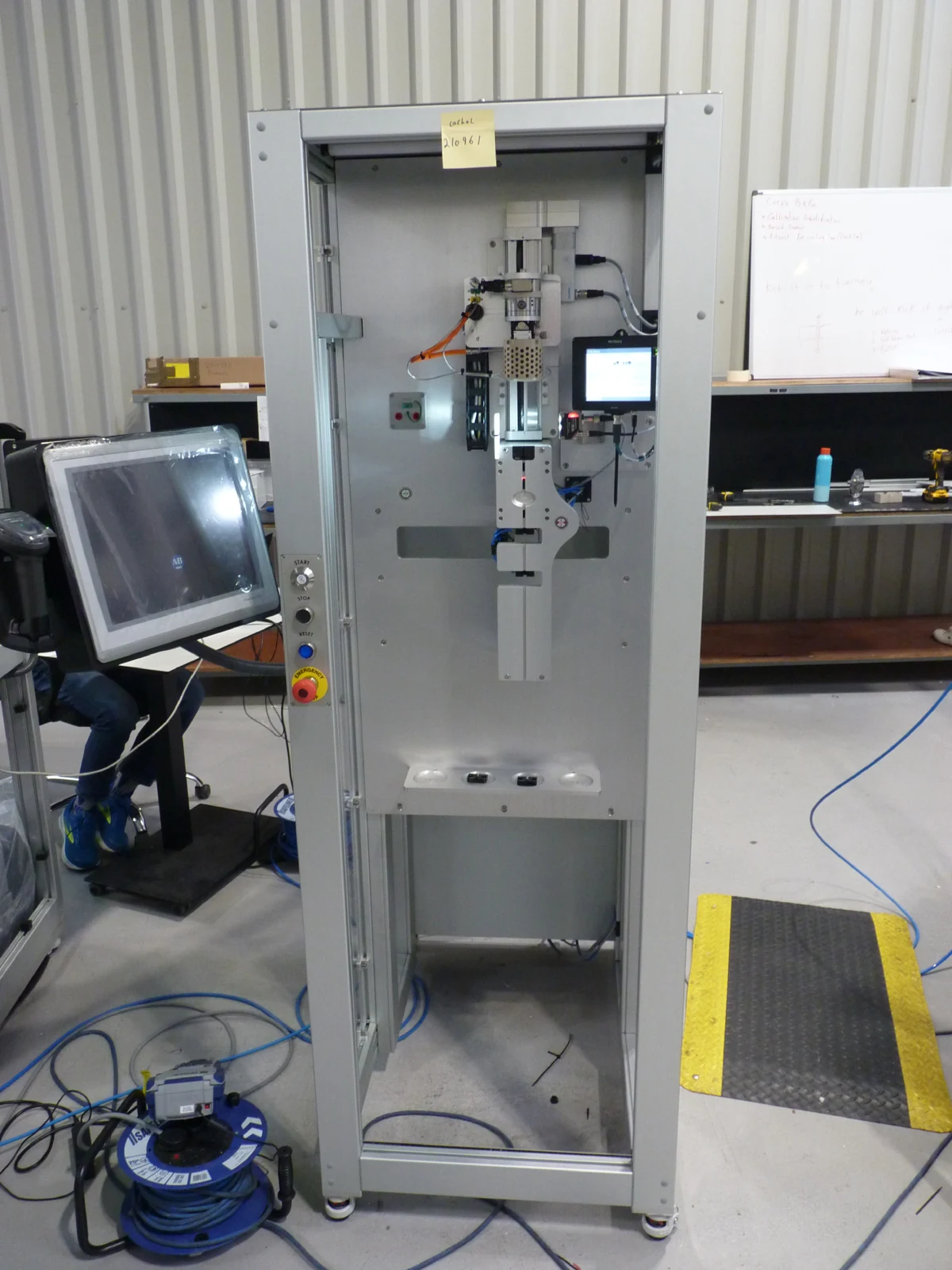
CPS provides a custom machine portfolio through Bespoke Automation. Availability, configurations and approved specifications for an equipment family should be confirmed with the team.
For a first discussion, share the process outline, product samples, target throughput and the documentation scope you expect. This helps identify whether a configurable equipment platform, a dedicated workstation or a custom automation project is appropriate.