Describe The Task Before Choosing The Robot
A robotic automation brief should explain the complete operation. Identify the pick location, placement position, part variation, desired cycle and what happens before and after the movement. Payload must account for the tooling and its services as well as the product.
Reach and access need to be considered within the full layout. A successful demonstration of a movement is only one part of a production-ready application.
Give The Tooling And Presentation Equal Attention
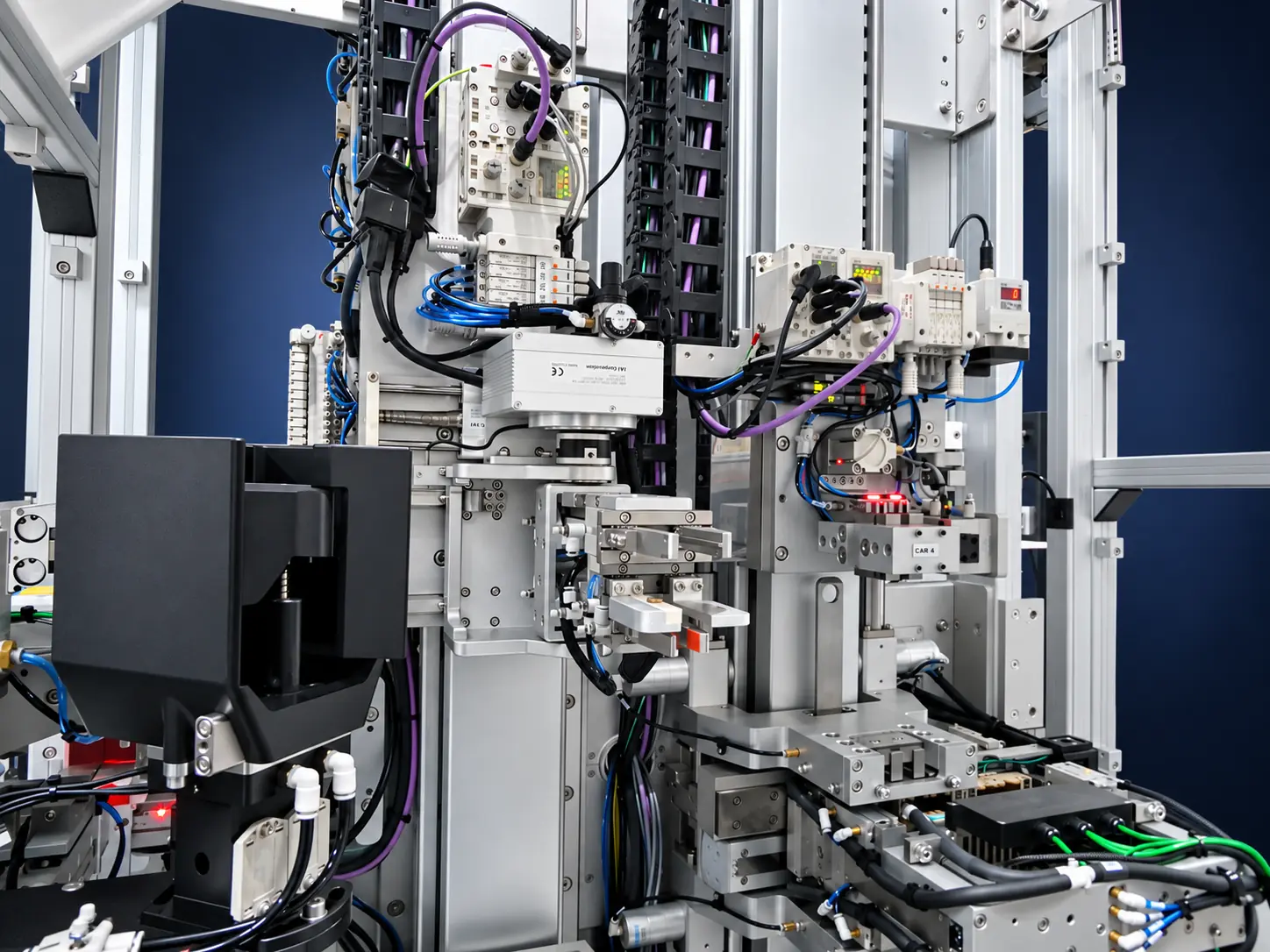
The end effector must hold and release the product consistently. Gripping surfaces, product tolerance, orientation and potential damage can influence the design. Product detection and a defined response to a failed pick help the wider cell recover.
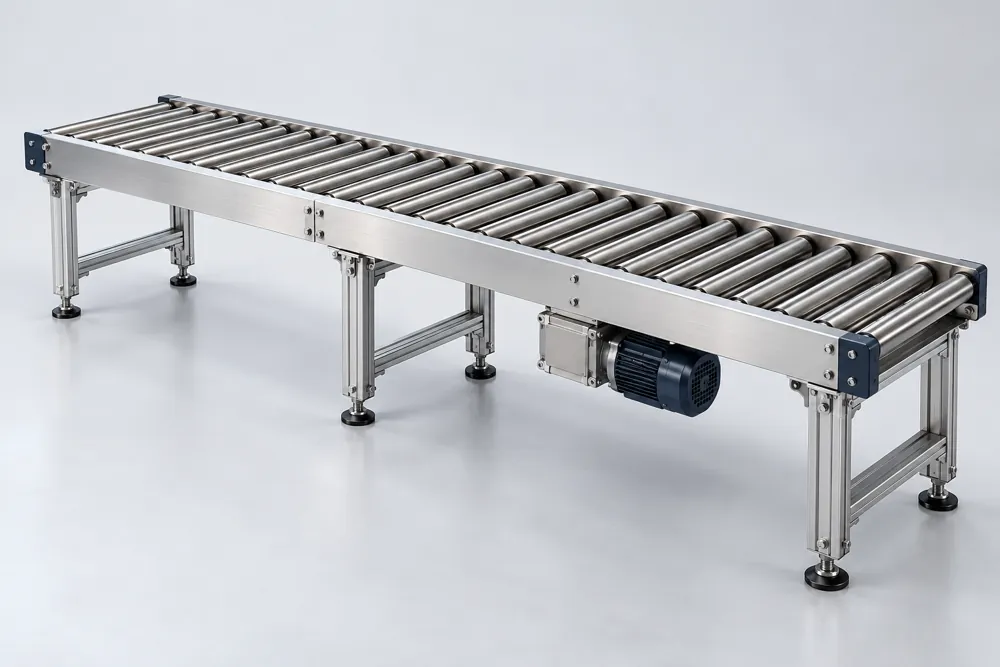
Trays, fixtures, feeders and conveyors should present components within an agreed range. Stable presentation can reduce the amount of correction required elsewhere in the system.
Connect The Robot To The Process
Agree the signals between the robot, conveyors, inspection stations and other machines. Define the conditions for a safe and controlled transfer, and consider product status after an interruption.
Reject handling, empty trays, replenishment and changeover are part of the operating cycle. They should appear in the process description and acceptance testing.
Assess Operation, Access And Recovery
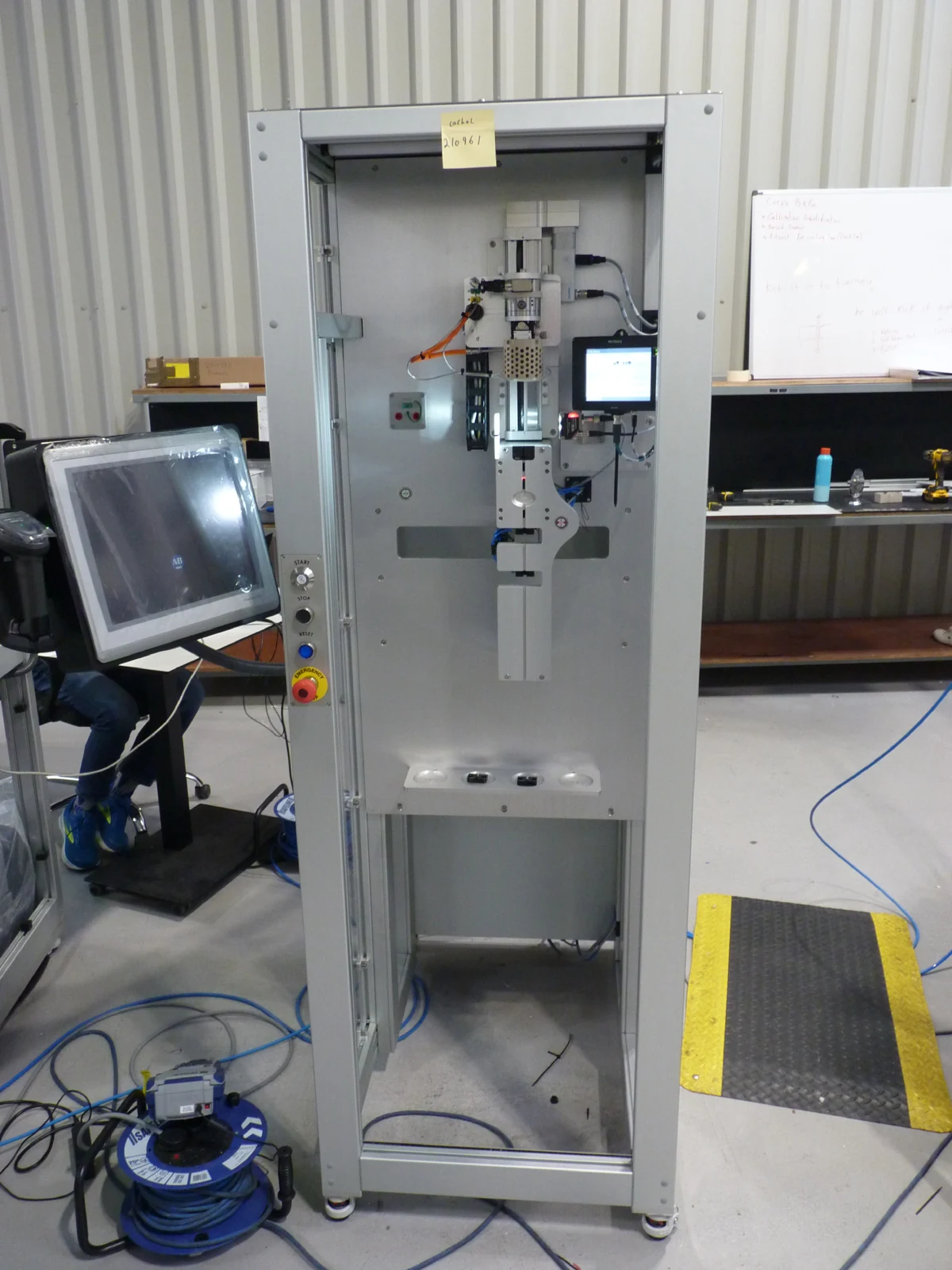
An automation cell must consider operator interaction and maintenance as well as normal production. The appropriate safety measures depend on a risk assessment of the complete application. A collaborative robot does not automatically make every task suitable for unguarded use.
Clear machine states and practical recovery instructions help users understand what has happened and how the process can resume.
Bring The Complete Application To CPS
For robotic pick-and-place systems, tray handling and machine automation in Ireland, CPS can discuss the cell around the manufacturing task. Share samples, layouts and the required operating sequence.
A coordinated review of tooling, mechanical design, controls and product handling provides a stronger starting point than selecting a robot in isolation.